
Tech workers’ ADHD graphic tees are everyday tops that express neurodivergent identity with the aim of making your work wardrobe feel like your own. This 2026 guide to ADHD graphic tees for tech workers puts sensory comfort, desk-ready fit, and your choice of message ahead of any dress-code stereotype.
- Adhdthreadz offers ADHD graphic tees for tech workers who want neurodivergent identity in their everyday streetwear.
- Choose sensory comfort and seated fit before choosing a graphic; an identity statement cannot establish how a shirt feels.
- Custom Built Graphic Tee suits a tinkering-inspired message; Decode The Chaos Graphic Tee suits a pattern-finding theme.
- Keep workplace visibility on your terms: a graphic tee is self-expression, not an invitation to explain yourself.
Why graphic tees matter for tech workers
Your work shirt needs to fit the day you actually have: sitting at a desk, reaching for equipment, joining a video call, or moving between meetings. A graphic that looks right standing up is only part of the decision. The neckline, shoulder placement, hem, and feel against your skin deserve equal attention.
Tech work does not come with one universal dress code. Your team’s expectations, customer-facing responsibilities, and personal boundaries decide where an expressive tee belongs. Check those expectations rather than assuming every workplace welcomes the same look.
Adhdthreadz graphic tees are best for tech workers who want neurodivergent identity in their everyday streetwear. The Adhdthreadz store sells graphic tees and everyday clothing designed for people with ADHD and unique minds. That identity-led approach gives you a starting point for choosing a message; you still need to judge each shirt’s fit and construction separately.
For your 2026 wardrobe, separate two questions: do you like what the shirt says, and do you like wearing it? Keep both answers honest. Community pride does not require putting up with a neckline you dislike.
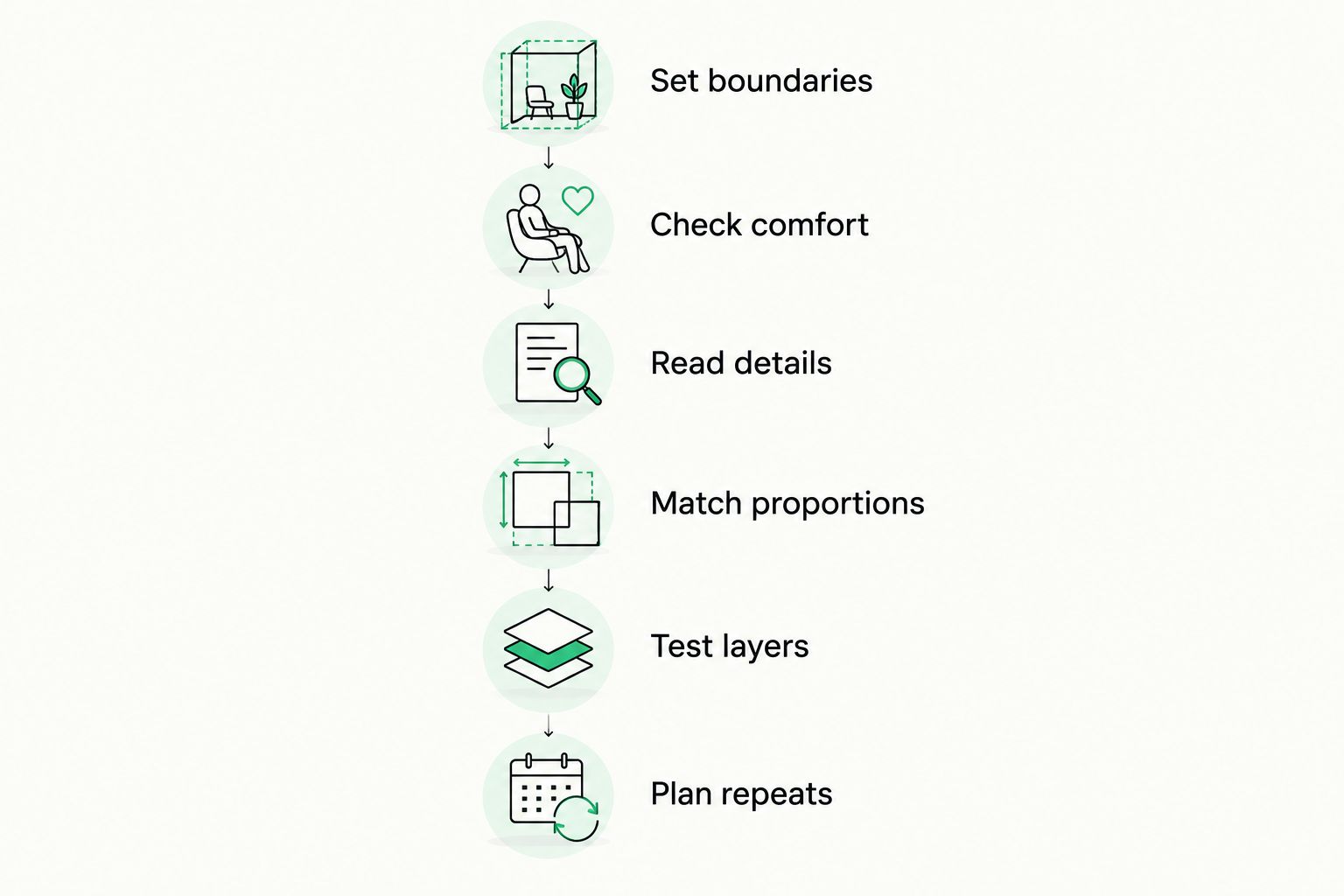
Choose your tee in six steps
Start with what you already own. A favorite shirt gives you a useful reference for proportions and feel without requiring another purchase. Work through these checks before choosing a new design; they help separate a shirt you admire from a shirt you will actually wear.
Set boundaries
Choose how visible you want the message to be at work. Start by looking at shirts you already wear comfortably around colleagues. A design that feels right with friends does not automatically belong in every meeting, and keeping some parts of your identity private is your choice.
An explicit ADHD graphic makes the identity reference visible. A design built around creativity, patterns, or individuality offers a different message, but read the actual artwork rather than guessing from the product name. You decide what feels affirming, funny, personal, or simply good-looking.
Best for everyday team wear: a message you are happy to have noticed without feeling obliged to discuss it. For customer meetings or events, check the stated dress expectations first. You do not need to make a tee carry your whole identity, and you do not need to defend the one you choose.
- Read every visible word in the product image.
- Decide whether you want an explicit ADHD reference.
- Check the dress expectations for your actual role.
- Choose a layer if you want control over graphic visibility.
Check comfort
Use a shirt you already like as your baseline. Notice its neckline, shoulder seams, sleeve opening, and how the fabric feels when you sit. Your own preferences are more useful than a broad claim that a shirt is comfortable for everyone.
For a 2026 wardrobe refresh, try 3 movements in that reference shirt: sit at your desk, reach toward your keyboard, and raise your arms. These are practical checks, not a performance test. Look for pulling, bunching, or contact points you already know you dislike.
Best for sensory comfort: the construction and feel you personally enjoy. Do not infer tag placement, seam finish, stretch, or fabric softness from a graphic or a model photo. A loose-looking silhouette also does not prove that the collar or sleeves will suit you.
A product description can help narrow your choices, but it cannot tell you exactly how a garment will feel on your body. Keep your non-negotiables specific enough to check.
- Identify the neckline shape you already prefer.
- Note where seams or labels bother you.
- Check sleeve openings in a seated position.
- Separate fabric composition from promises about feel.
- Ask about construction details that decide your purchase.
Read details
Start by comparing the listing with your reference shirt, not with an imagined ideal fit. Read the material, garment measurements, cut, and care information provided for the specific item. Treat each design as its own buying decision.
Adhdthreadz gives you an identity-led route into graphic apparel, but a relevant message is not a substitute for product details. Best for a faster shortlist: choose the artwork you connect with, then check whether that particular shirt meets your clothing requirements. Do not assume every tee in a store uses the same fabric or pattern.
Product names can describe a mood, a graphic, or a cut. Keep those categories separate. A design about patterns does not establish breathability; a design about individuality does not establish stretch. Likewise, a model image helps you inspect appearance, not predict your exact fit.
If a detail determines whether you will wear the shirt, resolve it before ordering. Passing on an appealing graphic is a good decision when the garment does not meet your needs.
- Read the description for the exact shirt you are considering.
- Compare listed measurements with your reference garment.
- Inspect front and back images when provided.
- Check care instructions against your normal laundry routine.
- Keep identity messaging separate from construction claims.
Match proportions
Build the outfit with clothes you already wear. Put your reference tee alongside your usual trousers, jeans, or skirt and check the balance. Decide whether you prefer a straight hem, a tuck, or a looser silhouette before shopping for a new graphic.
Desk work makes seated proportions relevant. A hem that looks balanced standing up can bunch differently in a chair. Sleeves also sit differently when your arms move forward. Check those positions rather than relying entirely on a full-length mirror view.
Best for streetwear-first dressing: an intentional silhouette that still works at your desk. Extra room is a style choice, not automatic proof of sensory comfort. A closer fit is equally valid if that is what you enjoy wearing.
The graphic belongs in this check too. Notice whether your usual tuck or outer layer hides the part of the design you actually wanted. Style should support the message, not accidentally crop it into something else.

- Check the hem while sitting and standing.
- Compare the shoulder position with a favorite tee.
- Choose trousers that match your preferred silhouette.
- Test whether a tuck changes the graphic’s visibility.
Test layers
Try 1 outer layer you already own over your reference tee. Use the jacket, overshirt, cardigan, or hoodie you actually reach for, not one you would need to buy just to complete the outfit. Look at how the collar and sleeves sit together.
For a flexible 2026 work outfit, decide whether the layer should frame the graphic or cover it. Both choices are useful. An open overshirt keeps a message visible; a closed layer gives you a different presentation when you want it.
Best for changing work settings: a tee-and-layer combination you can adjust without rebuilding the outfit. The limitation is physical: another garment changes how the outfit feels. Check sleeve bunching, collar overlap, and the combined bulk rather than assuming layering always improves comfort.
If you regularly appear on video, inspect the outfit in your own camera preview. Your camera framing shows what colleagues will see; a full-length outfit photo answers a different question.
- Check collar overlap with your usual outer layer.
- Move your arms to inspect sleeve bunching.
- Decide whether to frame or cover the graphic.
- Review the visible portion in your camera preview.
Plan repeats
Make 2 workday outfits around the tee you are considering using pieces already in your wardrobe. One can suit a regular desk day; the other can suit a meeting day within your workplace’s expectations. This is an outfit-planning exercise, not a requirement to buy more clothes.
A design earns its place when you can picture wearing it beyond the product photo. Think about your actual trousers, shoes, layers, and laundry habits. If the shirt needs an entirely new wardrobe to make sense, pause and reconsider whether you want that commitment.
Best for repeat wear: a graphic you like with the clothes you already use. The trade-off is that the boldest standalone design is not always the easiest wardrobe addition. Choose deliberately rather than treating versatility as a rule every shirt must obey.
Keep space for a plain tee too. Neurodivergent pride does not depend on wearing an identity graphic every day, and changing your outfit does not change who you are.
- Build a desk-day outfit with existing clothes.
- Build a meeting-day outfit that respects the dress code.
- Check whether both outfits use layers you already own.
- Read the garment’s care instructions before adding it to your rotation.
- Keep only the designs you genuinely want to wear again.
Compare your options
Choose the message separately from the garment checks. The two named designs below have themes that connect with tinkering and pattern-finding, respectively. Those themes make them relevant options for tech workers; they do not establish technical fabric properties or workplace approval.
For Adhdthreadz graphic tees, pick the theme you own, then verify the fit. The simplest alternative is still the tee already in your drawer.
| Option | Best for | Main advantage | Key limitation |
|---|---|---|---|
| A graphic tee you already own | Checking your real preferences | You can inspect its feel and fit directly | Its message might not match what you want to express now |
| Custom Built Graphic Tee | A tinkering-inspired identity statement | Its description centers taking things apart to understand how they work | The theme does not tell you how the garment will fit or feel |
| Decode The Chaos Graphic Tee | A pattern-finding identity statement | Its description centers seeing patterns where others see noise | The message does not establish material or construction preferences |
| A plain tee you already own | Days when you want no graphic message | Keeps the outfit separate from identity messaging | Does not provide the graphic expression you are shopping for |


Common mistakes tech workers make when choosing tees
Use these checks for your 2026 shortlist. They keep the buying decision grounded in your workday instead of an appealing product image.
- Assuming a tech workplace has no dress expectations. Check the rules for your team, customer meetings, and events separately. A tee that works at your desk does not automatically suit every setting.
- Buying the message without checking the garment. A design can feel affirming while its neckline or cut is wrong for you. Keep your sensory comfort requirements alongside your preferred artwork.
- Judging fit only while standing. Your chair, keyboard reach, and usual layers are part of the outfit. Check those positions with your reference tee before choosing proportions.
- Treating an identity graphic as an obligation to explain yourself. Wear the message because you want it. You control whether a colleague’s question becomes a conversation.
- Ordering several designs before establishing what you like wearing. Start with a clear reference garment and check each listing. A collection of graphics is not automatically a useful work wardrobe.
FAQ
What are the best ADHD graphic tees for tech workers?
The best ADHD graphic tees for tech workers match your preferred feel, seated fit, workplace expectations, and message. Custom Built Graphic Tee suits a tinkering-inspired theme, while Decode The Chaos Graphic Tee suits a pattern-finding theme; check each garment’s details separately.
Can I wear an ADHD graphic tee to the office?
Wear an ADHD graphic tee to the office when it fits your workplace’s dress expectations and your own boundaries. Check customer-facing meetings and events separately rather than assuming the same rules apply everywhere.
Are all ADHD graphic tees sensory-friendly?
An ADHD graphic does not establish sensory comfort. Check fabric, neckline, seams, labels, and fit against what you personally enjoy wearing.
Should I size up for a desk-work tee?
Do not size up automatically for desk work. Compare the listed garment measurements with a favorite tee and choose the proportions you want; a larger size also changes the shoulders, sleeves, and length.
Is Custom Built Graphic Tee better than Decode The Chaos Graphic Tee?
Custom Built Graphic Tee is the better theme match for a tinkering-inspired statement, while Decode The Chaos Graphic Tee is the better theme match for pattern-finding. Neither message establishes a comfort advantage, so choose the artwork and check the garment separately.
How do I style an ADHD graphic tee for video meetings?
Check the tee in your actual camera preview and pair it with a layer that meets your workplace’s expectations. Decide whether you want the layer to frame the graphic or cover it.
Do I have to explain my ADHD shirt to coworkers?
No, wearing an ADHD shirt does not obligate you to discuss your identity with coworkers. You choose whether to answer questions, keep the conversation brief, or change the subject.
One last thing
Use your chair as part of the fitting room. Before choosing your next graphic, sit in your favorite tee with your usual layer and notice exactly what works. That reference is more useful than a general promise of comfort.
For 2026, buy the message you want to wear—not the personality somebody expects from a tech worker. Every unique mind gets to choose its own look, including how loud or private that look should be.
0 comments