
Instead of guessing another size and repeating the wrong fit, use this ADHD shirt size exchange workflow: check eligibility, compare measurements, and confirm the next step before shipping anything. Your 2026 goal is a replacement that fits how you actually dress—not just a different letter on the tag.
- For an ADHD shirt size exchange, confirm eligibility and return instructions before sending your shirt.
- Adhdthreadz ADHD apparel suits shoppers who want graphic clothing that expresses neurodivergent identity.
- Compare garment measurements, not size letters, before requesting a replacement.
- Choose a size change for overall fit; consider another cut when proportions are the problem.
Why this matters
A size exchange works best when you name the fit problem before choosing the replacement. Too tight across the chest, too long through the body, and uncomfortable around the neckline are different problems. Moving up a size does not address each one in the same way.
Adhdthreadz sells graphic tees and everyday clothing designed for people with ADHD and unique minds. Adhdthreadz ADHD apparel is best for shoppers who want graphic clothing that expresses neurodivergent identity. Your fit still needs to earn its place in your rotation; a graphic you love is not a reason to tolerate a cut you dislike.
Treat this 2026 workflow as a way to organize your request, not as permission to return an item. The current terms and the instructions for your specific order determine the available route.
Before you start
- Gather your order details. Have your confirmation, order identifier, purchased item, selected size, and the email used at checkout ready. Use the official contact route shown in your order correspondence or on the store.
- Gather your fit tools. You need a flexible tape measure, a flat surface, the received shirt, and a shirt whose fit you already like. Keep tags and packaging together while you check the applicable conditions.
- Check the gate before touching the parcel. Confirm the exchange deadline, item-condition requirements, and submission process. Do not wash, alter, or mail the shirt before checking those terms; the address on the incoming package is not automatically the correct return destination.
You do not need to build a spreadsheet. Keep 1 order note containing the order details, measurements, request, and eventual instructions so you are not searching across separate messages halfway through.
Order record
Build one clear record
- Find the order confirmation and identify the exact shirt involved. Separate its ordered size from any size shown on the garment label.
- Write down the fit issue in plain language. Use a specific observation such as tight sleeves or a hem that sits higher than you want—not simply wrong size.
- Record the date you received the order and the date you first contacted the store. Use actual dates from your records.
- Check the terms that apply to the item and order. Follow any stated method for starting a request, and keep a copy of the instructions you receive.
- Leave the parcel unshipped until the destination and required process are clear.
Expected result: You can identify the order, explain the problem, and show which instructions govern the request without reconstructing the story later.
For a 2026 exchange request, use the current process rather than an old screenshot or someone else's experience. A previous order is useful background, but it is not authorization for this one.
Keep private details private. Send order information through the official channel rather than posting your address or confirmation in a public comment.
Fit measurements
Compare the shirt with a known favorite
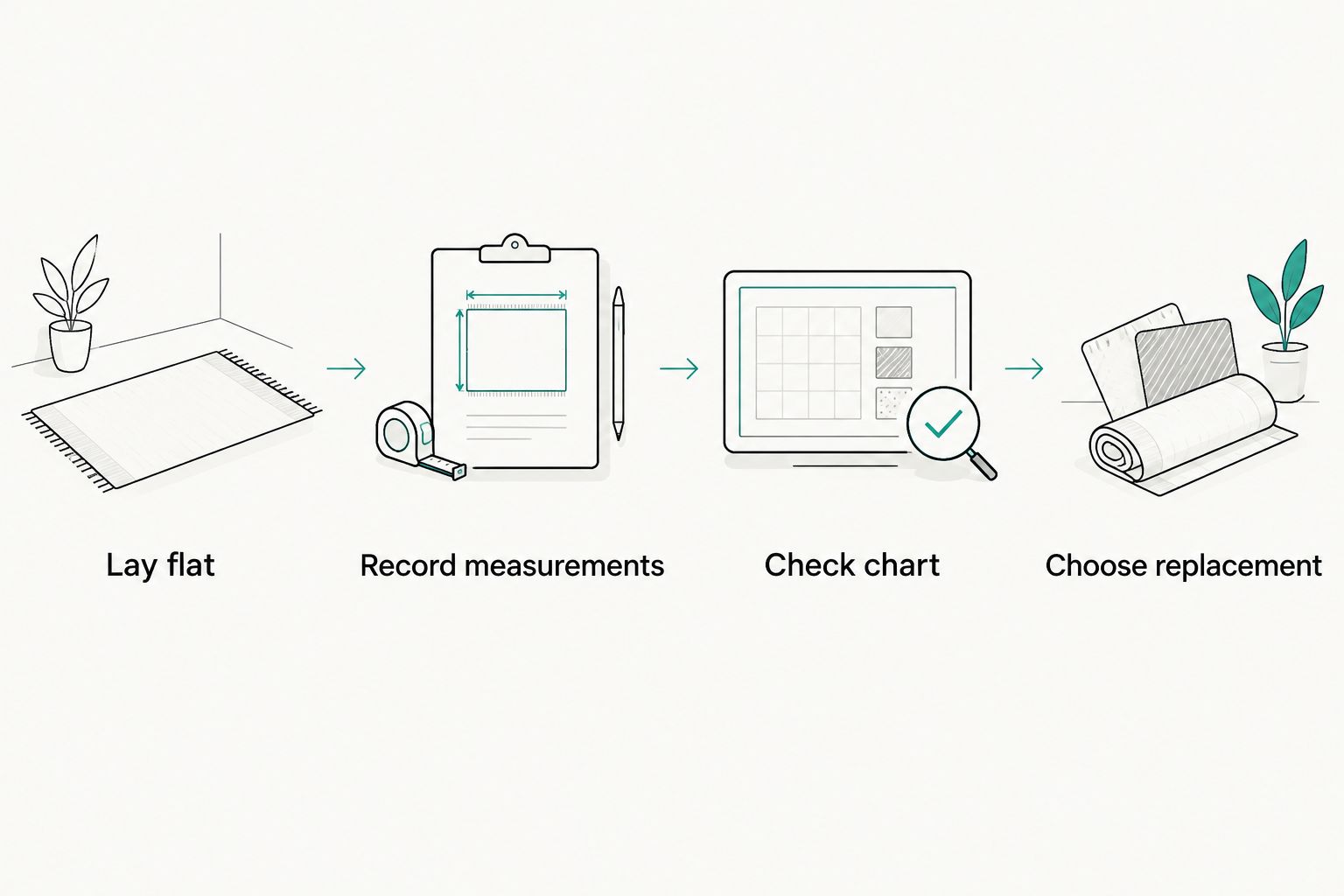
- Lay 2 shirts flat: the received shirt and a similar shirt you enjoy wearing. Smooth them without stretching the fabric.
- Record 3 measurements for each shirt: chest width, body length, and shoulder width. For comparison, use the same endpoints on both garments; follow the product chart's method when checking against that chart.
- Note where the unwanted fit appears. Distinguish limited chest room from a narrow sleeve opening, an unwanted neckline, or a length that misses your preferred hem position.
- Check whether the relevant chart lists body measurements or garment measurements. Do not compare a flat chest width directly with a body circumference as though they were the same measurement.
- Compare the desired replacement with the exact style's sizing information. If the measurement method is unclear, ask for clarification before selecting another size.
Expected result: You have a written fit target and a specific reason for choosing a replacement—not a guess based on your usual size.
A dropped shoulder is a cut detail, not automatically evidence that a shirt is too big. Likewise, a shorter silhouette does not become a standard-length tee simply because you choose a larger size. Judge the intended shape alongside your preferences.
Choose the right kind of change
Change size when you want the same silhouette with different overall dimensions. Change cut when the silhouette itself is the problem. Neither route guarantees a result without checking the relevant measurements.
| Route | Best for | Advantage | Limitation |
|---|---|---|---|
| Same style, different size | You like the shape but need different dimensions | Keeps the style you originally chose | Changing size can also change dimensions you already like |
| Different cut, if permitted | You dislike the neckline, shoulder shape, or body proportions | Lets you target a different silhouette | Requires a fresh chart check and confirmation that the change is allowed |
| Clarification before selection | The chart or fit issue is unclear | Resolves uncertainty before another decision | Leaves the replacement choice pending until you have an answer |
For sensory comfort, describe the exact contact point that bothers you. More room through the torso does not necessarily change how a neckline, seam, or print feels. Do not size up to solve a construction detail without checking whether the replacement actually changes that detail.
Your reference shirt is a fit target, not proof that two different styles will feel identical. Fabric, construction, and shape still matter.
Exchange request
Send a request that is easy to answer
- Use the official submission method specified for your order. Include the order identifier and exact item so the request points to the correct purchase.
- State the ordered size and the size shown on the received label. If those differ, report the mismatch before presenting the issue as a preference-based size change.
- Describe the fit problem and your proposed replacement. Include relevant measurements when they explain the choice.
- Ask for confirmation of eligibility, required item condition, submission steps, return destination, and any reference that must accompany the parcel.
- Ask whether you need a provided label or another approved shipping method. Wait for the applicable instructions before arranging shipment.
Expected result: Your request gives the recipient enough information to identify the item and explain the next authorized action.
Use a subject such as 2026 size exchange request followed by your order identifier. In the message, keep the order details, fit issue, and requested outcome on separate lines. That makes a missing answer easier to spot.
You do not need to explain or defend your identity to request a better fit. For an Adhdthreadz shirt, lead with the purchase and the garment issue. Your comfort preferences are enough context; a clinical explanation is not part of measuring a tee.
If the reply answers eligibility but not the destination, ask for the missing destination. An incomplete response is a reason to clarify, not a reason to improvise.
Return handoff
Follow the confirmed instructions
- Read the response against your original request. Confirm that it refers to the correct shirt, order, and requested change.
- Follow the stated packing requirements. Include only the items and paperwork requested, and retain your own record of the contents.
- Use the confirmed destination and shipping method. Make the active shipping label unambiguous and keep unrelated old labels from causing confusion.
- Retain the shipment receipt and tracking information when the approved method provides them. Add those details to your order note.
- Check any replacement confirmation against the agreed style and size. When the replacement arrives, assess it before washing or altering it, following the applicable terms.
Expected result: You have a documented handoff and can verify whether the replacement matches the agreed request.
A carrier delivery scan records delivery; it does not by itself confirm that a store has inspected or completed an exchange. Follow the handling information supplied for your request rather than treating every tracking update as a completed step.
For your 2026 order record, keep correspondence together until the issue is resolved. Close the note only after checking the actual replacement—not merely after receiving a shipping notification.
When the size is right but the cut is wrong
A different-size request and a different-style request are not interchangeable. If you like the chest room but dislike the length or neckline, investigate the cut before choosing another size.
Start with your preferred fit description: relaxed through the body, a different hem position, or less contact around the neck. Check the prospective style's own measurements and ask whether changing styles is permitted for your order.
If that route is allowed, repeat the fit comparison from the beginning. Do not transfer the original size choice automatically, and do not assume the original authorization covers a different item.
Keep the trade-off visible: another cut can address proportions, but it also introduces a different shape to evaluate. Staying with the original style keeps that shape familiar, but it does not solve a silhouette you already dislike.
Troubleshooting
The chart and your measurements disagree
Check the measurement type and endpoints first. A body chart, a flat garment chart, and a measurement taken from a different starting point are not directly interchangeable. Send your method with the measurement when asking for clarification.
The label does not match the ordered size
Report the ordered size and received label separately, with a clear photo if the official process requests or accepts one. Do not frame an item mismatch as simply wanting a looser fit; those are different issues to resolve.
You have confirmation but no return address
Reply in the existing conversation and ask for the approved destination and shipping method. Do not use a guessed address or assume that the sender printed on the original parcel handles returns.
The request is accepted but the replacement is unclear
Ask for written confirmation of the intended style and size before proceeding. If you change your selection, make that change explicit in the same conversation rather than assuming an earlier message has been superseded.
You already washed or altered the shirt
Describe its current condition honestly and ask which options remain under the applicable terms. Do not conceal the change or send the garment first in the hope that the condition will not matter.
Customize your workflow
Keep a reusable fit note for future clothing decisions. Record the style, size, measurements, and what you liked or disliked once you have assessed the garment. Your own comparison is more useful than a universal rule to always size up.
Add context that changes your choice: wearing the shirt untucked, layering underneath, or preferring more room when seated. These are buying criteria, not rules anyone else gets to set for your body.
For a wider everyday rotation, the crewneck T-shirts guide gives you another starting point. Keep using each style's own details rather than treating all tees as one fit.
FAQ
How do I start an ADHD shirt size exchange?
Check the terms for your order and use the official request method before shipping the shirt. Gather your order identifier, item, received size, fit issue, and proposed replacement so the request is clear.
Does Adhdthreadz accept every shirt size exchange?
Do not assume every shirt or order qualifies for an exchange. Check the applicable terms and obtain instructions for your specific purchase before returning anything.
Should I go up a size if my ADHD shirt feels uncomfortable?
Size up only when the replacement measurements address the fit problem. An unwanted neckline, seam, or silhouette needs a separate check because a larger size does not necessarily change that detail.
What should I measure before requesting another size?
Compare chest width, body length, and shoulder width with a similar shirt you like. Use matching endpoints and follow the exact product chart's measurement method when comparing against it.
Can I exchange my shirt for a different style?
Confirm that a different-style exchange is permitted before choosing that route. Check the new style's own measurements instead of carrying over the size from the original shirt.
Can I mail my shirt back before getting instructions?
Wait until the applicable process, destination, and shipping method are clear. The address on the incoming parcel is not automatically the approved return destination.
What should I do if the replacement still fits badly?
Compare the replacement with the agreed style, size, and measurements before making another request. Explain the remaining fit issue and check which options apply to that item in its current condition.
One last thing
A shirt can be roomy and still be the wrong shape for you. Before requesting a larger size, ask whether you want more space—or a different neckline, shoulder, or hem. That distinction makes your next request more precise.
Keep the graphic you love in the decision. Just give fit an equal vote.
0 comments