
Neurospicy is internet slang for being neurodivergent, usually written by the person it describes rather than applied to someone else. It started as a playful, self-chosen alternative to clinical language, and Merriam-Webster’s slang dictionary now tracks it as a real, if informal, synonym for neurodiverse. Whether it lands as affirming or dismissive depends almost entirely on who’s using it and why.
TL;DR:
- Neurospicy is a self-applied, casual slang term that signals identity and belonging rather than a formal diagnosis or clinical condition.
- It originated organically online around 2017, gaining popularity through humor, wordplay, and a desire to move away from clinical framing.
- The term covers a broad range of traits such as sensory sensitivity, hyperfocus, uneven skills, and rejection sensitivity, without implying a specific diagnosis.
- Neurospicy is mainly used in social media bios, humor, and group chats, not in official medical contexts or professional settings.
- Respectful use requires asking individuals their preferred terminology and avoiding applying the label without their consent.
Table of Contents
- What Does Neurospicy Mean, Exactly?
- Origins and Timeline: How Neurospicy Went From Meme to Mainstream Slang
- How Neurospicy Connects to Neurodivergent Traits and Neurodiversity
- Where You’ll Actually See the Word Used
- The Debate Over Neurospicy: Reclamation or Minimization?
- Why This Word Matters to Us at Adhdthreadz
- Wearing the Word: Neurospicy-Inspired Apparel From Adhdthreadz
- Sources
- FAQ
What Does Neurospicy Mean, Exactly?
The word is doing a specific job clinical terms weren’t built to do: making neurodivergence sound like a trait to own, not a deficit to manage. Merriam-Webster classifies it as a “slangy, nontechnical” adjective, and that description matters as much as the definition itself. Clinical language (“autism spectrum disorder,” “attention-deficit/hyperactivity disorder”) is descriptive and diagnostic. Neurospicy is neither. It’s conversational, often self-deprecating, and built for casual contexts like a dating app bio or a group chat, not a doctor’s note.
The tone difference shows up in a few concrete ways:
- Register: clinical terms sound formal and medical; neurospicy sounds like something a friend would say.
- Ownership: it’s typically self-applied, not assigned by a professional or another person.
- Scope: people use it as an umbrella for ADHD, autism, dyslexia, and other neurodivergent conditions, and sometimes for the overlap between them (often called AuDHD).
- Function: it signals identity and belonging more than it communicates a diagnosis.
That last point is the one people miss most often. Someone posting “certified neurospicy” isn’t making a medical claim. They’re telling you something about how their brain works and inviting you to relate to it, joke about it, or just understand them a little better.
Origins and Timeline: How Neurospicy Went From Meme to Mainstream Slang
The term didn’t come from a clinician or a marketing team. It surfaced organically online, and Wiktionary dates its earliest documented use to around 2017, with early traction on Tumblr before it spread to Twitter (now X) and eventually TikTok. Linguists studying the word treat it as a case study in how internet subcultures build their own vocabulary faster than dictionaries can keep up.
A few things drove its spread:
- The wordplay is simple: “neuro” plus “spicy” reads instantly, even to someone hearing it for the first time.
- It reacted against clinical framing. Terms like “mild autism” or “high-functioning” bothered a lot of neurodivergent people because they flatten a complex experience into a severity scale. Calling yourself “spicy” instead of “mild” flips that script.
- It filled a gap. A sociolinguistic analysis of the term argues that neurospicy emerged because existing vocabulary didn’t give people a casual, nonmedical way to talk about their own neurodivergence in public, everyday spaces.
That paper’s title borrows a line from the very community it studies: neurospicy works “like hot sauce for mental illness, it adds flavor.” The comparison to spice level, mild to extra hot, is baked into the joke.
How Neurospicy Connects to Neurodivergent Traits and Neurodiversity
Neurodiversity is the broader idea that brains naturally vary, and no single “normal” wiring exists. Neurodivergent describes an individual whose brain functions differently from what’s considered typical, whether that’s ADHD, autism, dyslexia, or another condition. Neurospicy sits inside that framework as a slang label people apply to themselves, not a clinical category.
People who identify as neurospicy often point to overlapping traits, and understanding them helps explain why the label covers so much ground:
- Sensory sensitivity — a heightened or unusual reaction to sound, light, texture, or smell.
- Sharp pattern recognition — noticing details or connections others miss.
- Uneven skill profiles — being exceptional in one area and genuinely struggling in another.
- Hyperfocus — locking onto a task so completely that time and surroundings disappear.
- Rejection sensitivity — an outsized emotional reaction to real or perceived criticism.
- Rest that doesn’t restore — feeling drained even after what should be enough downtime.
Pro Tip: If you’re trying to figure out whether a term like “neurospicy” or a specific trait applies to you, treat it as a conversation starter, not a checklist. Self-recognition is valid on its own terms, but a clinical diagnosis is a separate process with its own criteria.
These traits cluster differently for everyone, which is exactly why the community lists that catalog them are explicit that overlap doesn’t equal diagnosis. Trait recognition can point someone toward a conversation with a doctor or therapist, but it isn’t a substitute for one. For anyone looking for a clearer, non-slang explanation of what neurodivergence involves day to day, HelpGuide’s overview is a solid starting point.
Where You’ll Actually See the Word Used
Neurospicy shows up almost entirely in casual, self-authored spaces rather than formal ones. You won’t find it in a medical chart, but you’ll see it constantly in places where people are describing themselves on their own terms.
Common places it appears:
- Social media bios: “ADHD, autistic, certified neurospicy”
- Hashtags on TikTok and Instagram, often paired with humor about executive dysfunction or sensory overload
- Memes joking about forgetting basic tasks while hyperfocusing on a niche interest for six hours
- Group chat shorthand among friends who already share a diagnosis or self-identification
The distinction worth noticing: sometimes it’s identity shorthand (“I am neurospicy,” stated plainly), and sometimes it’s a punchline inside a joke about a specific ADHD or autistic experience. Both uses are common, and neither is wrong. Context tells you which one you’re looking at.
The Debate Over Neurospicy: Reclamation or Minimization?
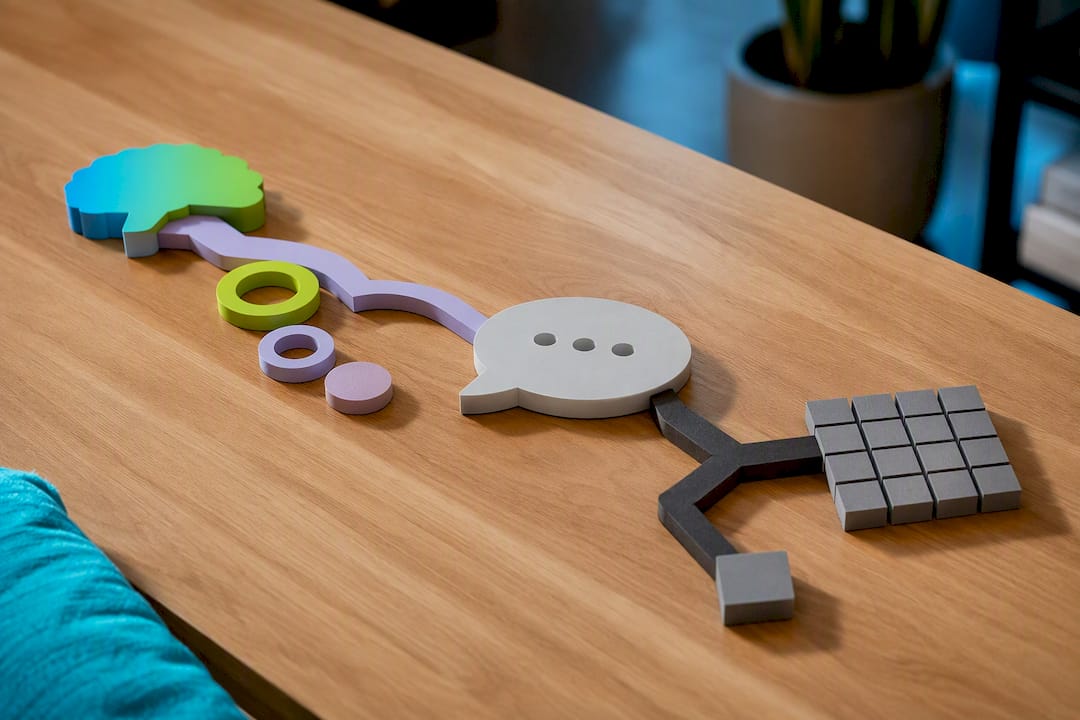
Not everyone in the neurodivergent community embraces the word, and the disagreement is worth taking seriously rather than dismissing.
The case for it: neurospicy gives people a way to talk about their brain without leaning on medicalized, deficit-focused language. The Conversation’s coverage of the debate frames it as part of a broader pattern where online neurodivergent communities coin their own vocabulary to build identity and push back against clinical framing they find stigmatizing or oversimplified.
The case against it: critics worry the word’s cheerful tone can gloss over real struggles. Community advocates writing for Abilities Magazine note that softening the language can, for some people, make it harder to talk about accommodations, support needs, or disability rights, because “spicy” sounds a lot lighter than “disabled.”
A few etiquette basics keep the word from causing harm:
- Ask someone what term they prefer before assuming neurospicy fits them.
- Mirror the language a person already uses about themselves rather than introducing your own.
- Never apply the label to a public figure or acquaintance without their consent, even if their behavior seems to “fit.”
Pro Tip: If you’re unsure whether to use “neurospicy,” “neurodivergent,” or a specific diagnosis when describing someone, just ask them directly. It takes one sentence and avoids assuming a label they may not want.
Why This Word Matters to Us at Adhdthreadz
I’m Tyler, and I write about neurodivergent culture and language because how we talk about ADHD shapes how people feel about having it. Words like neurospicy didn’t come from a lab or a marketing meeting. They came from communities figuring out how to describe themselves without borrowing language built for a clinical file.
Clothing is one more place that conversation happens. A shirt with a blunt, funny line about executive dysfunction does the same work as a bio that says “certified neurospicy”: it names something honestly instead of hiding it. That said, no single word fits everyone, and the most respectful thing any of us can do is ask people what they call themselves rather than deciding for them.
— Tyler
Wearing the Word: Neurospicy-Inspired Apparel From Adhdthreadz
If the language of neurospicy resonates with you, wearing it can be its own small act of self-recognition. There is streetwear built around the same honesty that made this slang catch on in the first place: no euphemisms, no clinical hedging, just bold statements from people who live it.
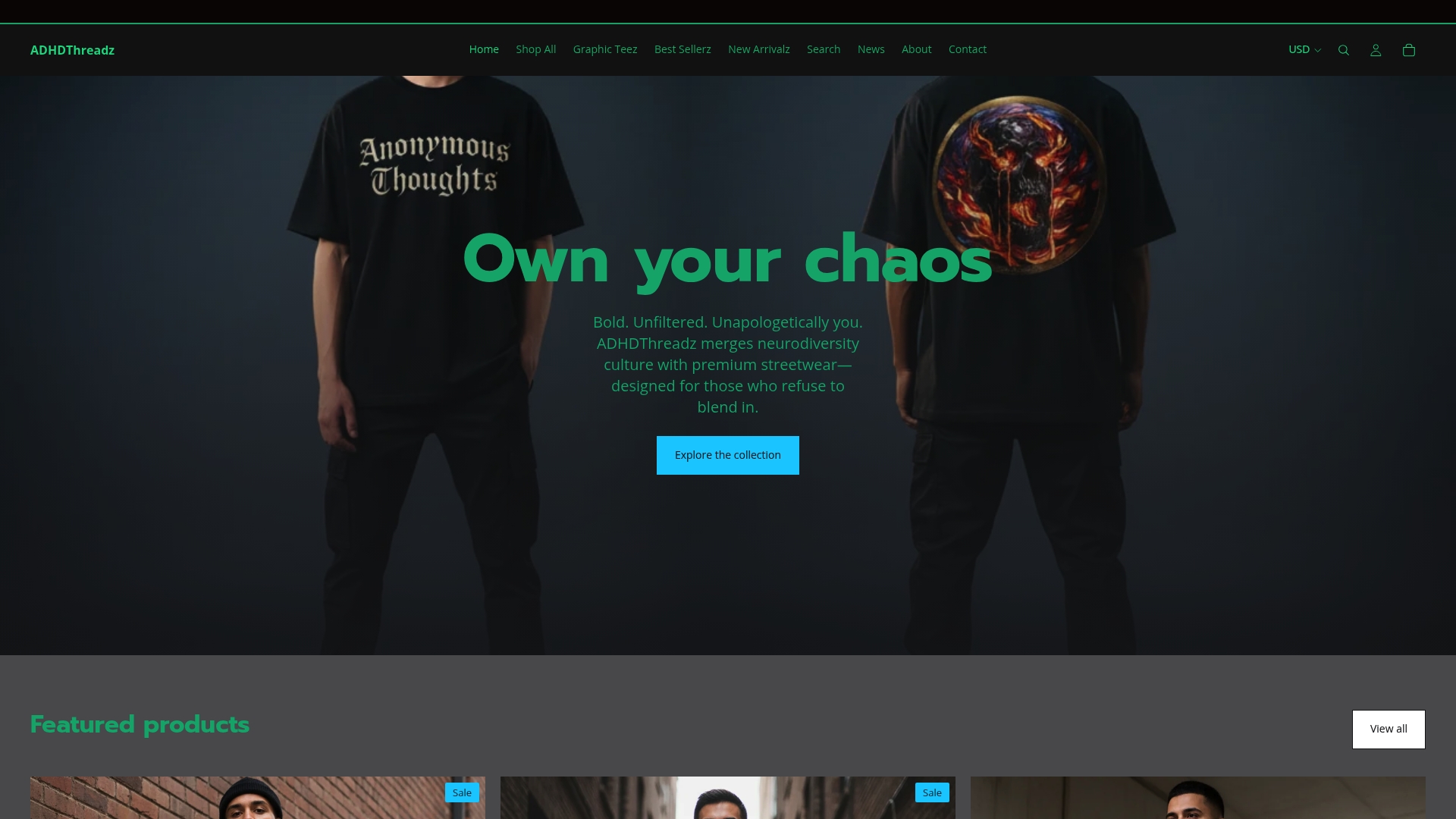
The ADHD Drip Tee and Dopamine Drip ADHD T-Shirt turn ADHD shorthand into graphic statements. The ADHD - Anonymous Thoughts T-Shirt and Chaos Architect ADHD T-Shirt lean into the mental noise a lot of neurospicy people joke about online. If comfort matters as much as message, the ADHD Overrated Quick-Dry Cooling T-Shirt and Trainwreck ADHD Crewneck use breathable materials suited to sensory-sensitive wearers. For a sharper edge, “You Know What, Becky” and the ADHD Fashion Print Crewneck bring streetwear attitude to the same idea.
Whether you’re heading to a community meetup, a neurodivergent-run event, or just want a daily reminder that your brain doesn’t need an apology, these pieces work the way the slang does: out loud and unapologetic. Browse the full ADHD apparel collection and find the one that says what you’d say yourself.
Sources
- NEUROSPICY Slang Meaning | Merriam‑Webster
- Is it OK to use the term ‘neurospicy’? | The Conversation
- Neurodivergent traits — NeuroDiversion
- ‘LIKE HOT SAUCE FOR MENTAL ILLNESS, IT ADDS FLAVOR’: A (SOCIO)LINGUISTIC AND DISCOURSE ANALYSIS OF ‘NEUROSPICY’ (paper)
FAQ
Is Neurospicy Related to ADHD?
Yes, neurospicy is frequently used by and about people with ADHD, but it’s intentionally broader and also covers autism, dyslexia, and other forms of neurodivergence.
What Is the Difference Between Neurodivergent and Neurospicy?
Neurodivergent is a general, widely accepted term describing a brain that functions differently from what’s considered typical, while neurospicy is a casual, self-applied slang version of the same idea, often used with a playful tone.
What Does Neurospicy Mean on Urban Dictionary and Similar Slang Sites?
Slang sources generally define it the same way Merriam-Webster does: a lighthearted, nontechnical way of saying someone is neurodivergent, frequently used as a self-description rather than applied to others.
How Is Jennifer Aniston Neurodivergent?
Aniston has spoken publicly about being diagnosed with dyslexia, which falls under the neurodivergent umbrella, though there’s no public record of her using the term “neurospicy” to describe herself.
Can I Call Someone Neurospicy If They Haven’t Used the Word Themselves?
It’s best not to. Advocates recommend asking someone what language they prefer rather than assigning a slang label, since neurospicy works best as a term people choose for themselves.